
Heart Diease Prevention:
Heart disease remains the leading cause of death worldwide, yet medical experts agree that 80% of heart disease cases are preventable through lifestyle modifications. With over 3 million monthly searches for “heart disease prevention,” people are actively seeking ways to protect their cardiovascular health.
We’ve seen remarkable transformations when patients adopt heart-healthy habits early. This evidence-based guide reveals five daily practices that can significantly reduce your risk of heart disease while improving overall quality of life.
Heart Disease in India: Current Statistics and Alarming Trends
The Growing Crisis
- India accounts for 60% of global heart disease cases
- Heart attacks affect people 10-15 years younger than Western countries
- 1 in 4 deaths in India is due to cardiovascular disease
- Young adults (25-40 years) increasingly affected
Key Risk Factors in Indian Population
- Genetic predisposition in South Asian populations
- Diabetes prevalence increasing cardiovascular risk
- High stress levels from urban lifestyle
- Poor dietary habits with increased processed foods
- Sedentary lifestyle due to desk jobs
- Air pollution exposure in major cities
Economic Impact
- Healthcare costs for heart disease exceed ₹50,000 crore annually
- Productivity loss due to premature deaths and disability
- Family financial burden from prolonged treatments
Habit 1: Adopt a Heart-Healthy Diet – The Foundation of Prevention
The DASH Diet Approach for Indians
Daily Nutritional Targets:
- Fruits and vegetables: 8-10 servings daily
- Whole grains: 6-8 servings (brown rice, quinoa, oats)
- Lean proteins: 2-3 servings (fish, chicken, legumes)
- Low-fat dairy: 2-3 servings daily
- Nuts and seeds: 4-5 servings weekly
Heart-Protective Indian Foods
Omega-3 Rich Options
- Fish: Salmon, mackerel, sardines (2-3 times weekly)
- Plant sources: Flaxseeds, chia seeds, walnuts
- Cooking oils: Mustard oil, olive oil
Fiber-Rich Choices
- Legumes: Rajma, chana, moong dal
- Vegetables: Bitter gourd, okra, spinach
- Fruits: Apples, oranges, guava with skin
Antioxidant Powerhouses
- Spices: Turmeric, garlic, ginger
- Berries: Blueberries, strawberries, pomegranate
- Green tea: 2-3 cups daily
Foods to Limit or Avoid
> High Sodium Items
>Packaged snacks and processed foods
>Restaurant meals (often 2-3x recommended sodium)
>Pickles and preserves
>Target: Less than 2,300mg sodium daily
Saturated and Trans Fats
- Deep-fried foods (pakoras, samosas)
- Commercial baked goods
- Butter and ghee (limit portions)
- Target: Less than 7% of total calories
Added Sugars
- Sweetened beverages and sodas
- Mithai and desserts
- Target: Less than 25g (6 teaspoons) daily
Habit 2: Engage in Regular Physical Activity – Your Heart’s Best Medicine
The 150-Minute Weekly Goal
Moderate-Intensity Activities (75% of exercise time)
- Brisk walking: 30 minutes, 5 days weekly
- Swimming: Excellent low-impact option
- Cycling: Recreational or commuting
- Dancing: Bollywood, classical, or aerobic dance
Vigorous-Intensity Activities (25% of exercise time)
- Jogging or running: 20-25 minutes sessions
- High-intensity interval training (HIIT)
- Competitive sports: Badminton, tennis
- Stair climbing: Use stairs instead of elevators
Strength Training Benefits
- 2-3 sessions weekly targeting all major muscle groups
- Improves metabolism and weight management
- Reduces blood pressure and improves circulation
- Builds bone density preventing osteoporosis
Practical Exercise Integration
Morning Routine
- 10-minute stretching upon waking
- Walk/cycle to work when possible
- Take stairs instead of elevators
Workday Activities
- Walking meetings for discussions
- Desk exercises every hour
- Lunchtime gym sessions or walks
Evening Options
- Family activities: park visits, sports
- Yoga or meditation for stress relief
- Dance classes or home workouts
Exercise Safety Guidelines
- Start gradually if currently inactive
- Check with doctor before vigorous exercise programs
- Monitor heart rate during activities
- Stay hydrated especially in hot weather
- Listen to your body and rest when needed
Habit 3: Maintain Healthy Weight and Waist Circumference
Understanding Healthy Weight Ranges
BMI Guidelines for South Asians
- Normal: 18.5-22.9 kg/m²
- Overweight: 23.0-24.9 kg/m²
- Obese: 25.0 kg/m² and above
- Note: Lower thresholds due to higher disease risk
Waist Circumference Targets
- Men: Less than 90 cm (35 inches)
- Women: Less than 80 cm (31 inches)
- Abdominal fat is particularly dangerous for heart health
Evidence-Based Weight Management
Caloric Balance Principle
- Weight loss: Create 500-750 calorie daily deficit
- Weight maintenance: Balance calories in vs. calories out
- Sustainable rate: 0.5-1 kg weekly weight loss
Portion Control Strategies
- Plate method: 1/2 vegetables, 1/4 lean protein, 1/4 whole grains
- Hand portions: Palm for protein, fist for vegetables
- Mindful eating: Eat slowly, recognize hunger cues
Metabolism-Boosting Habits
- Regular meal timing (every 3-4 hours)
- Protein at each meal (20-30g per meal)
- Green tea consumption (3 cups daily)
- Adequate sleep (7-9 hours nightly)
- Strength training to maintain muscle mass
Habit 4: Manage Stress and Prioritize Mental Health
The Stress-Heart Disease Connection
Physiological Impact of Chronic Stress
- Cortisol elevation increases blood pressure
- Inflammation markers damage blood vessels
- Insulin resistance develops, affecting metabolism
- Blood clotting tendency increases
Behavioral Impact
- Poor food choices during stress
- Reduced physical activity
- Increased smoking/alcohol consumption
- Sleep disturbances
Effective Stress Management Techniques
Mindfulness and Meditation
- Daily practice: Start with 5-10 minutes
- Apps available: Headspace, Calm, Insight Timer
- Breathing exercises: 4-7-8 technique
- Body scan meditation for physical tension release
Physical Stress Relief
- Yoga: Combines movement, breathing, mindfulness
- Tai Chi: Gentle, flowing movements
- Progressive muscle relaxation
- Regular massage therapy
Social and Emotional Support
- Strong relationships reduce heart disease risk by 50%
- Community involvement provides purpose and connection
- Professional counseling when needed
- Hobby engagement for enjoyment and relaxation
Work-Life Balance Strategies
- Set boundaries between work and personal time
- Take regular breaks during workday
- Vacation time for mental recharge
- Delegate responsibilities when possible
- Practice saying no to excessive commitments
Habit 5: Avoid Tobacco and Limit Alcohol Consumption
The Tobacco-Heart Disease Link
Immediate Effects of Smoking
- Carbon monoxide reduces oxygen in blood
- Nicotine increases heart rate and blood pressure
- Blood clotting tendency increases within hours
Long-term Cardiovascular Damage
- Atherosclerosis (plaque buildup) accelerates
- Blood vessel inflammation increases
- HDL (good) cholesterol levels decrease
- Heart attack risk doubles compared to non-smokers
Quitting Smoking Benefits Timeline
- 20 minutes: Heart rate and blood pressure drop
- 12 hours: Carbon monoxide levels normalize
- 1 year: Heart disease risk reduced by 50%
- 5 years: Stroke risk same as non-smoker
- 15 years: Heart disease risk same as non-smoker
Alcohol Consumption Guidelines
Moderate Drinking Defined
- Men: Maximum 2 drinks per day
- Women: Maximum 1 drink per day
- One drink equals: 12 oz beer, 5 oz wine, 1.5 oz spirits
Heart Benefits of Moderate Consumption
- Red wine: Antioxidants may provide some protection
- HDL cholesterol: Modest increases possible
- Blood clotting: Reduced risk with light consumption
Risks of Excessive Drinking
- High blood pressure and irregular heartbeat
- Cardiomyopathy (weakened heart muscle)
- Stroke risk increases significantly
- Weight gain from empty calories
Recognizing Heart Attack Warning Signs: When to Seek Immediate Help
Classic Heart Attack Symptoms
- Chest pain or pressure lasting more than 5 minutes
- Pain radiating to arms, jaw, neck, or back
- Shortness of breath with or without chest pain
- Nausea, sweating, lightheadedness
Women’s Heart Attack Symptoms (Often Different)
- Fatigue unusual and extreme
- Upper back pressure feeling like squeezing
- Jaw pain without chest pain
- Shortness of breath without chest discomfort
When to Call Emergency Services
- Call 102 immediately for heart attack symptoms
- Don’t drive yourself to hospital
- Chew aspirin if not allergic (325mg)
- Stay calm and sit upright while waiting
Diagnostic Services
- Echocardiography for heart function assessment
- Stress testing to evaluate exercise capacity
- Cardiac catheterization for precise diagnosis
- CT angiography for non-invasive artery imaging
Interventional Cardiology
- Angioplasty and stenting for blocked arteries
- Balloon valvuloplasty for valve problems
- Pacemaker implantation
- 24/7 emergency cardiac care
Cardiac Surgery Program
- Coronary artery bypass surgery
- Valve repair and replacement
- Minimally invasive procedures
- Hybrid operating rooms
Preventive Cardiology Services
Comprehensive Risk Assessment
- Lipid profile testing and management
- Blood pressure monitoring programs
- Diabetes screening and control
- Family history evaluation
Cardiac Rehabilitation Program
- Post-heart attack recovery support
- Exercise training supervision
- Nutritional counseling
- Psychological support services
Heart-Healthy Lifestyle Programs
- Smoking cessation support groups
- Weight management clinics
- Stress reduction workshops
- Cooking classes for heart-healthy meals
Regular Health Screenings: Prevention Through Early Detection
Recommended Screening Schedule
Blood Pressure
- Adults 18+: At least every 2 years
- High-risk individuals: Every 6 months
- Target: Less than 120/80 mmHg
Cholesterol Testing
- Adults 20+: Every 4-6 years
- High-risk: Annually
- Targets: LDL <100, HDL >40 (men), >50 (women)
Blood Sugar Testing
- Adults 35+: Every 3 years
- High-risk: Annually
- Target: Fasting glucose <100 mg/dL
Body Weight Assessment
- Monthly self-monitoring
- Annual professional assessment
- Waist circumference measurement
When to Start Earlier Screening
- Family history of heart disease
- Diabetes or high blood pressure
- Smoking history
- High cholesterol levels
- Obesity or metabolic syndrome
Your Heart Health Journey Starts Today
Heart disease prevention isn’t about making dramatic changes overnight – it’s about adopting sustainable daily habits that protect your cardiovascular system for decades to come. The five habits outlined in this guide have been proven effective through extensive research and real-world patient outcomes.
We believe in empowering patients with knowledge and supporting them with world-class cardiac care. Whether you’re looking to prevent heart disease or manage existing conditions, our team of experienced cardiologists is here to guide you every step of the way.
Key Takeaways for Heart Disease Prevention
- Adopt a heart-healthy diet rich in fruits, vegetables, and whole grains while limiting processed foods
- Exercise regularly with at least 150 minutes of moderate activity weekly plus strength training
- Maintain healthy weight and waist circumference through balanced nutrition and physical activity
- Manage stress effectively using meditation, social support, and work-life balance strategies
- Avoid tobacco completely and limit alcohol to moderate levels if you choose to drink
Remember, it’s never too early or too late to start protecting your heart. Small changes today can lead to significant health benefits tomorrow. With the right lifestyle choices and professional medical support, you can dramatically reduce your risk of heart disease and enjoy a longer, healthier life.
Innovative Solutions for Careing
Explore our comprehensive selection of careing services that cater to a variety of needs, ensuring complete customer satisfaction.

Tinea versicolor
Tinea versicolor is a common fungal skin infection that develops from a type of fungus known as Malassezia. “Versicolor” refers to the various skin colors which will occur with the infection: white, tan, brown, pink, or other colors. The fungus disrupts the traditional pigmentation of the skin, and this leads to discolored, scaly patches. The skin pigment changes within the patches because the Malassezia fungus produces an acid that inhibits the assembly of melanin, a natural pigment that provides skin its color.

Acne Treatment
Acne or pimples is the most common chronic inflammatory skin problem that affects many people all around the globe. Many teens, women, and men are affected by severe acne and breakouts that can affect their face, jawline, neck, chest, shoulder, and back. Acne emerges on the skin as congested pores known as blackheads or whiteheads, tender red bumps known as pimples or zits, pustules, and cysts. They develop in and around the hair follicles and their oil-producing glands called the sebaceous glands. In acne, the skin pores get clogged with dirt, bacteria, and oil. Multiple other factors are also responsible for causing acne such as hormonal imbalance, improper diet, sebum production in excess, and the invasion and growth of bacteria extends deep into the skin and tends to be painful.

Scabies
Scabies is an infestation, in which tiny burrowing mites called Sarcoptes Scabiei borrow up in the outer layer of the skin and lay eggs inside the skin. This infestation by mites causes intense itchiness (especially strong flare-ups at night) and angry rashes in the area where mites burrow. Scabies is contagious, as mites can spread quickly from physical contact, sexual activities (hug and quick handshake do not spread scabies), contaminated articles such as clothes, towels, bedding, chairs, and often spread quickly in places like prison, school classes, and nursing home. If someone in a family is suffering from scabies, then the entire family is recommended to be cautious and seek treatment.

Vitiligo/White Patches
Vitiligo / White Patches is the most common dermatological disorder, in which hypo-pigmented, white patches or macules appear on the skin (skin loses its natural color). This condition affects 2% of the total population of the world. This skin disorder causes white patches on the skin. Under this kind of pigmentation disorder, cells that make pigment (melanocytes) in the skin are destroyed. As a result, white patches start appearing on the skin in different parts of the body. The vitiligo patches can appear on any part of the body and the most common areas affected by vitiligo are inside the mouth, around the nose, rectal areas, and nostrils. The same patches also appear on the mucous membranes (tissues that line the inner part of the mouth and nose) as well as the retina (inner layer of the eyeball).

Melasma
Melasma is a common problem of hyperpigmentation that causes dark brown marks on the skin including the face, neck, shoulders, chest, and forearms. In 10% of cases, melasma can occur in men. Commonly women who are pregnant and have dark skin complexion are more likely to get affected by melasma. The primary symptom of melasma can be determined by the appearance of discolored patches on the skin. The main reason for melasma is still unclear. It occurs when the melanocytes (skin color-producing cells) produce too much pigment in the skin, as a result of environmental triggers or genetics. People with dark skin color are more likely to get melasma due to the presence of active melanocytes than people with light skin color.
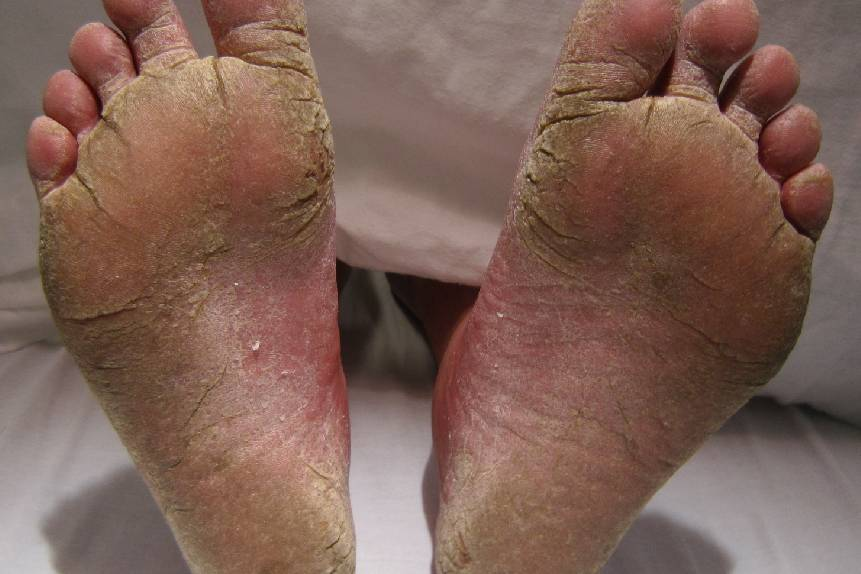
Fungal infection
Fungal infection is a type of inflammatory infection in which the fungi invade inside the body. The fungus is a primitive organism, and they are present everywhere in the surroundings (soil, air, plants, and water), and mostly found in the warm and moist conditions. Most of the fungi are harmless, but certain types can cause serious infections. The fungi reproduce through tiny spores in the air. Fungal infections can affect the scalp, feet, underarms, groin areas, nails, skin, and any other body parts. Sometimes, the spores are inhaled, and infection often affects the lungs and other body organs as well.
The most common types of fungus that can cause life-threatening infection



Carbon Laser
Carbon Laser Peel is an innovative laser resurfacing treatment that utilizes the gentleness of liquid carbon and a focused beam of laser energy to treat various imperfections. This Carbon Peel Facial is also popularly known as ‘China Doll Peel Facial’
Dermal Fillers
Everyone desires to look their best, but several internal and external factors can affect our appearance. Aging also causes decreased production of collagen and elastin, and this makes a ace look dull, tired, and unken. Dermal fillers can be really helpful in such ases.
Lip Augmentation
1. Corrects downturned lips. 2.Redefines the lip border and add hydration to the lips. 3. Smoothens the vertical lines around the lips. 4. Enhances the shape of the lips. 5. Affordable treatment. 6. Minimal to no downtime.


Laser Hair Removal
To achieve a smooth, silky skin opt for the advanced laser hair reduction technologies at Dermaworld Skin Clinics in Delhi. Laser is an effective, efficient, and relatively pain-free method as compared to other traditional hair removal techniques. Waxing is a painful exercise and often leaves with post-burn sensation, the razor can cause cuts, ingrown hair, and both of them do not provide with long-lasting results. Full body laser hair, has many advantages, as it can be used in almost all parts of the body.
Laser toning
Laser toning refers to the use of Q-switched lasers (long pulsed laser) that delivers lower energy wavelength of light to targeted skin areas and induce sublethal injury to the melanosomes. Laser toning is an effective method to treat melasma and other skin pigmentation issues. It also addresses other cosmetic concerns like wrinkles, fine lines, and sun damage.